

For a long time, we believed manufacturing was something we invented.
We take raw materials.
We process them.
We turn them into useful things.
That’s the story.
But it isn’t the full one.
Nature has been making things far longer than we have.
Stronger than we can.
More efficiently than we can.
Without factories.
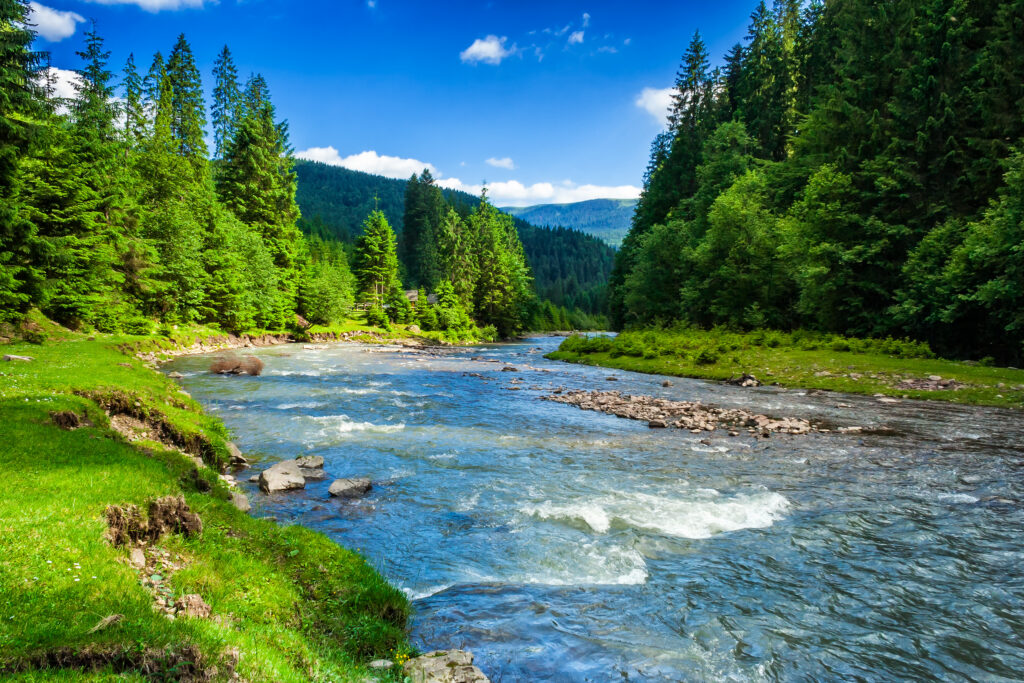
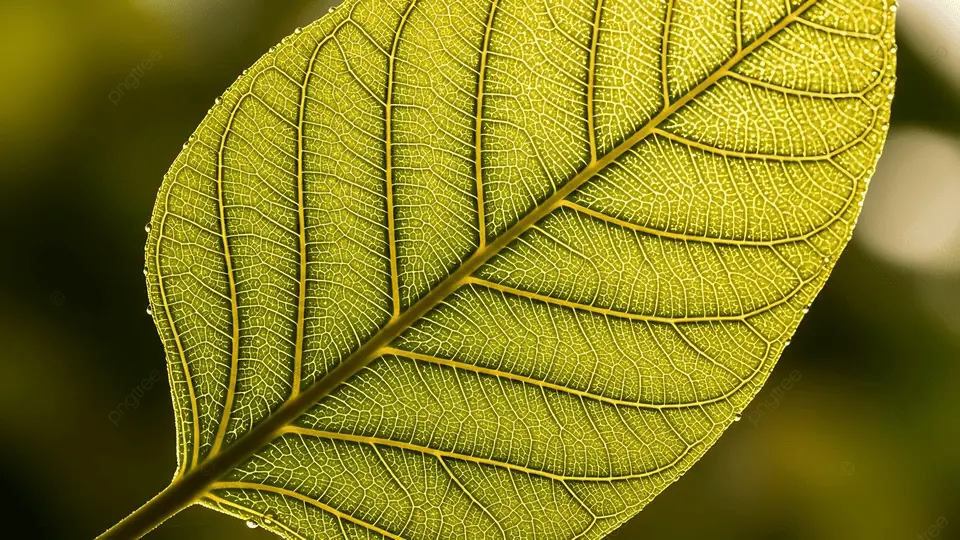
Every plant is a manufacturing system.
It takes sunlight, water, and air and builds structure.
Fibers with strength.
Polymers with function.
Surfaces that repel, attract, bind, and protect.
No heat.
No pressure.
No centralized plant.
Just conditions.
And time.
For most of human history, we didn’t see that as manufacturing.
We saw it as agriculture.
Something to manage.
Something to harvest.
And sometimes, something in the way
Overgrowth to cut back.
Eye sores to clear.
A system we maintained, not one we learned from.
So we treated what came out of it as raw material.
Incomplete.
Unfinished.
Waiting for us to do the real work.
So we built a system around that belief.
Extract it.
Ship it.
Break it down.
Rebuild it.
All in one place.
All at once.
It worked well for things that don’t care.
Stone.
Metal.
Oil.
Materials that can survive being torn apart and forced back together.
But the moment we started working with living systems…
That logic cracks.
Because biological materials aren’t unfinished.
They’re already structured.
They already carry function.
They already hold the work of sunlight, water, and time inside them.
And when we fully break them down, we lose something we can’t easily rebuild.
So a different approach is starting to emerge.
Not everywhere.
But enough to notice.
Instead of treating biology as something to destroy and remake, we’re starting to work with it.
Let it do what it does best first.
Let the actual “plant” build the structure.
Let the system assemble complexity.
Then step in.
Not to restart the process.
But to guide it forward.
Adjust a surface.
Strengthen a bond.
Add a function or engineer an unlock.
Not rebuilding from zero.
Upgrading what already exists.
And we don’t have to do it all at once anymore.
Because we’re learning something else nature already knows that transformation doesn’t happen
in one place.
It happens in sequence.
A material can change a little here, then more there, then again somewhere else.
Each step adding value.
Each step preserving what came before.
The system spreads out.
And when it does, something shifts.
We stop moving raw mass and start moving meaningful material.
We stop forcing early decisions and start letting pathways emerge.
We stop trying to outcompete nature and start participating in it.
That’s the transition.
Not from old manufacturing to new manufacturing.
But from believing we make things to realizing we’ve been stepping into a process that was
already making them.
And now, for the first time, we have the tools to work with that process instead of against it.
To learn from the system we once managed.
Nature never stopped manufacturing.
We just forgot how to see it.
Now we’re starting to remember.