
From The Front Lines
-

When We Stopped Being Seen
The Bloodletting of TrustThere’s a word for moments that feel like they were arranged before you arrived. Not planned.Not forced.But placed. It’s called synchronicity—a term first introduced by Carl Jung to describe meaningful coincidences that don’t follow cause and effect, but still feel connected. Not random. Aligned. It’s what we call it when something outside of us lines…
-

The Witness Preservation Program
Most people are familiar with the idea of a witness protection program. You see something real.Something that matters. And to keep you safe, your location and identity are changed. But what if the real risk to a witness isn’t that they get found—but that they stop showing up? But before going any further, it’s worth…
-

Manufacturing is Learning to Spread Out
The Age of Distributed Valorization and How Biology Is RewritingManufacturing For more than a century, modern manufacturing has followed a simple and deeply ingrained logic: Extract materials from many places.Ship them to a few very large places.Transform them using concentrated energy and infrastructure.Distribute finished products back outward across the world. This architecture built extraordinary efficiency.…
-

If Nature Could Talk, It Would Ask: What’s a Factory?
For a long time, we believed manufacturing was something we invented. We take raw materials.We process them.We turn them into useful things. That’s the story. But it isn’t the full one. Nature has been making things far longer than we have. Stronger than we can.More efficiently than we can.Without factories. Every plant is a manufacturing…
-
The Ones Who Carry the Flashlight
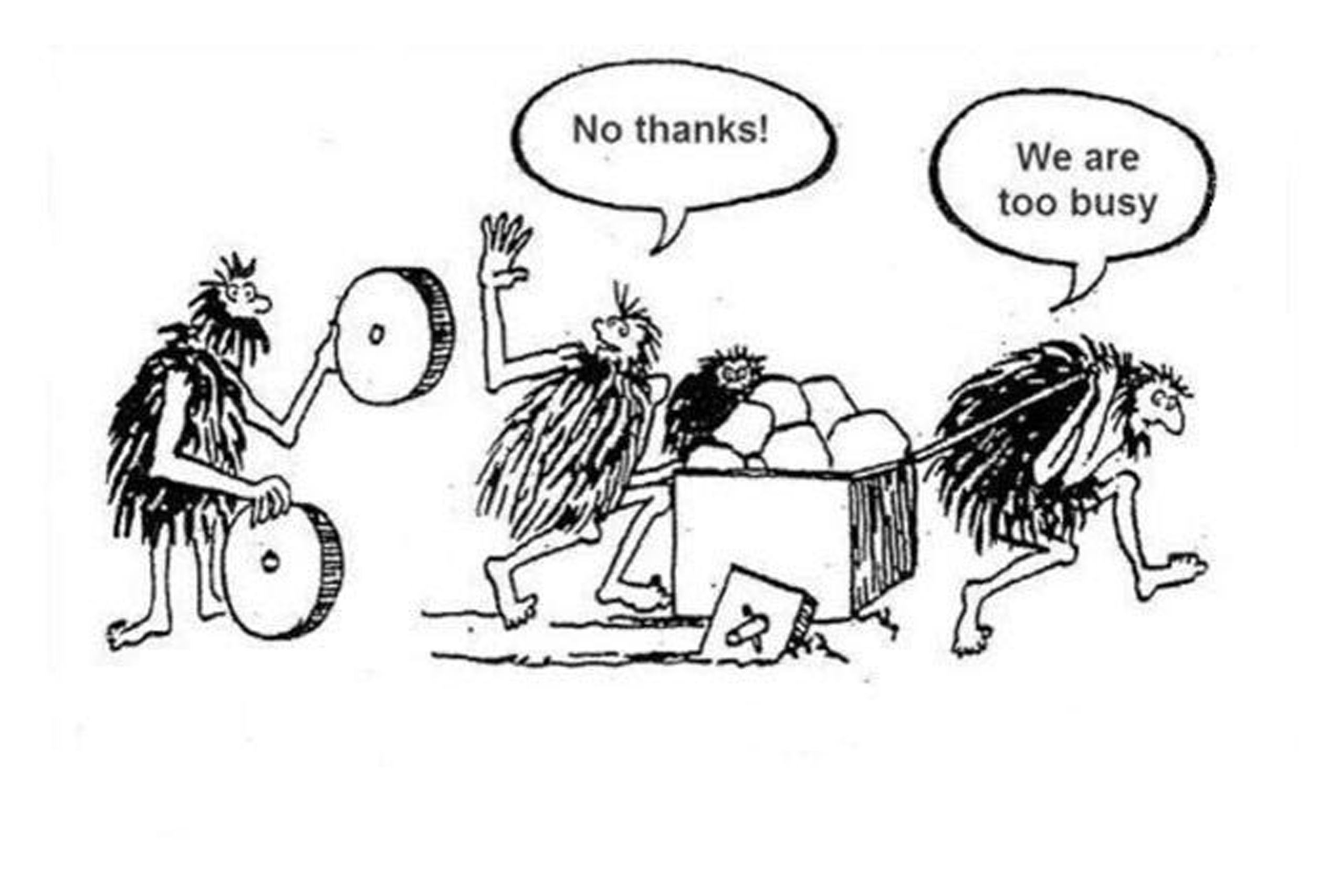
Throughout history, every civilization produces a small minority of people who seem unusuallysensitive to misalignment. They notice cracks in systems long before those cracks become visible to everyone else.Sometimes they are inventors. Sometimes they are philosophers. Sometimes they are simply the person in the room quietly asking the question everyone elsewould rather avoid. In my…
-

Water Giveth and Water Taketh Away
Most people learn something important about water long before they have words for it. It usually happens early in life, and at a pool. You run. You jump—maybe a little too flat, the wrong way—and instead of softness, you feel impact. A sharp smacking sting across your skin. For a split second, water stops feeling…
-

Entropy Isn’t Alone
Most people don’t experience the world as equations.They experience it as effort. They feel it when things that once moved easily begin to resist.When simple tasks take more energy than they should. When the systems around them feel strained and overloaded. They feel it in their bodies as tension.In their minds as fog and fatigue.In…
-

On Ambiguity, Entropy, and the Intelligence of Not Knowing
I was trained, like many engineers, to eliminate ambiguity. Ambiguity meant risk.Risk meant failure.Failure meant something had gone wrong in the design. So we learned to close loops.Resolve unknowns.Constrain systems until behavior became predictable. That skill builds bridges, circuits, and machines.It does not, on its own, build a life. At some point—often quietly, often in…
-
When the Birds Start Turning
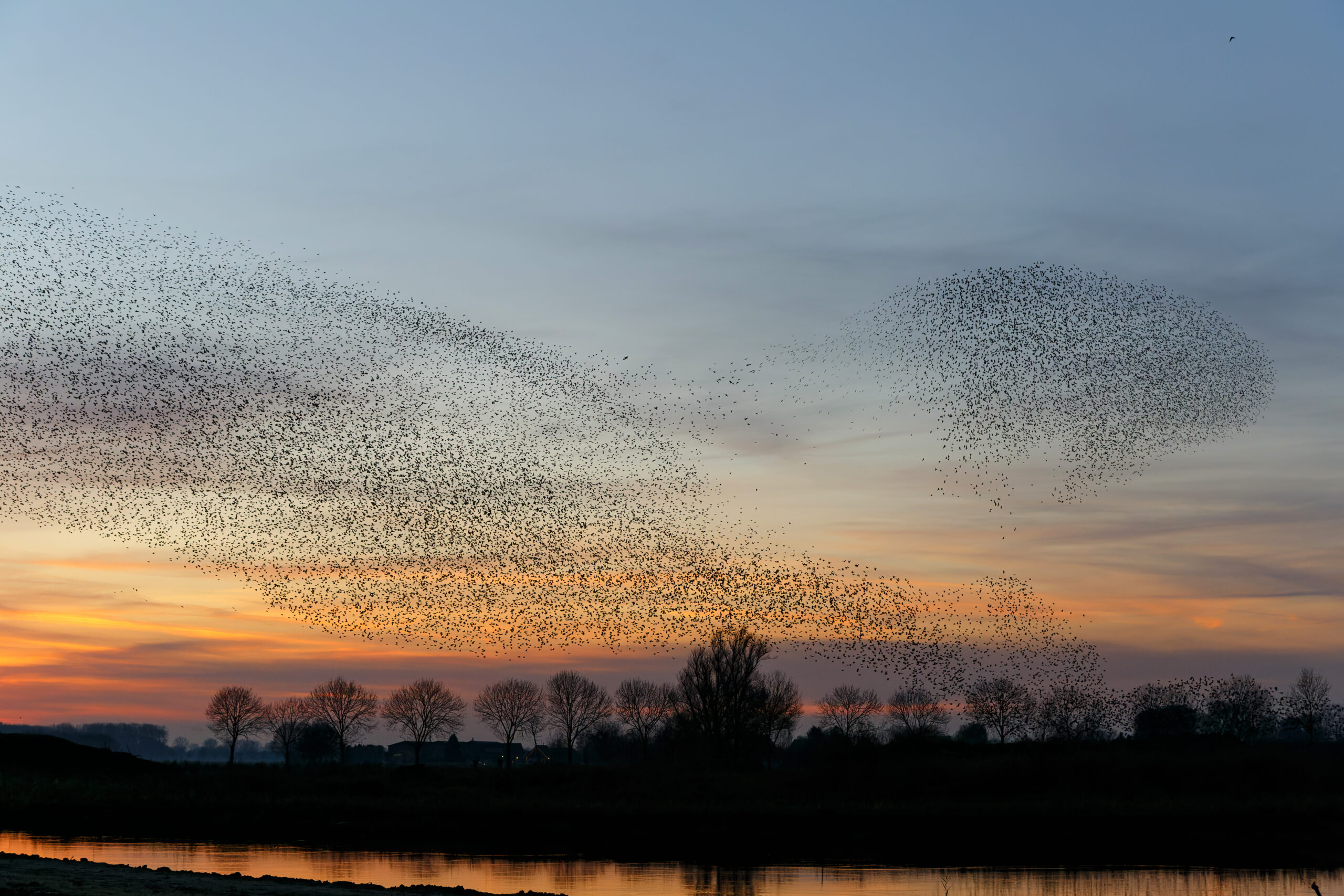
Have you ever watched a huge flock of birds moving through the sky? Thousands of them moving together. They twist. They bend. They turn all at once. No leader. No loudspeaker. Just thousands of tiny decisions happening at the same time. When enough birds feel something is off, the whole flock changes direction. Something like…
-
Why Dead Carbon Was Easier to Control — and Why It’s Failing Us Now
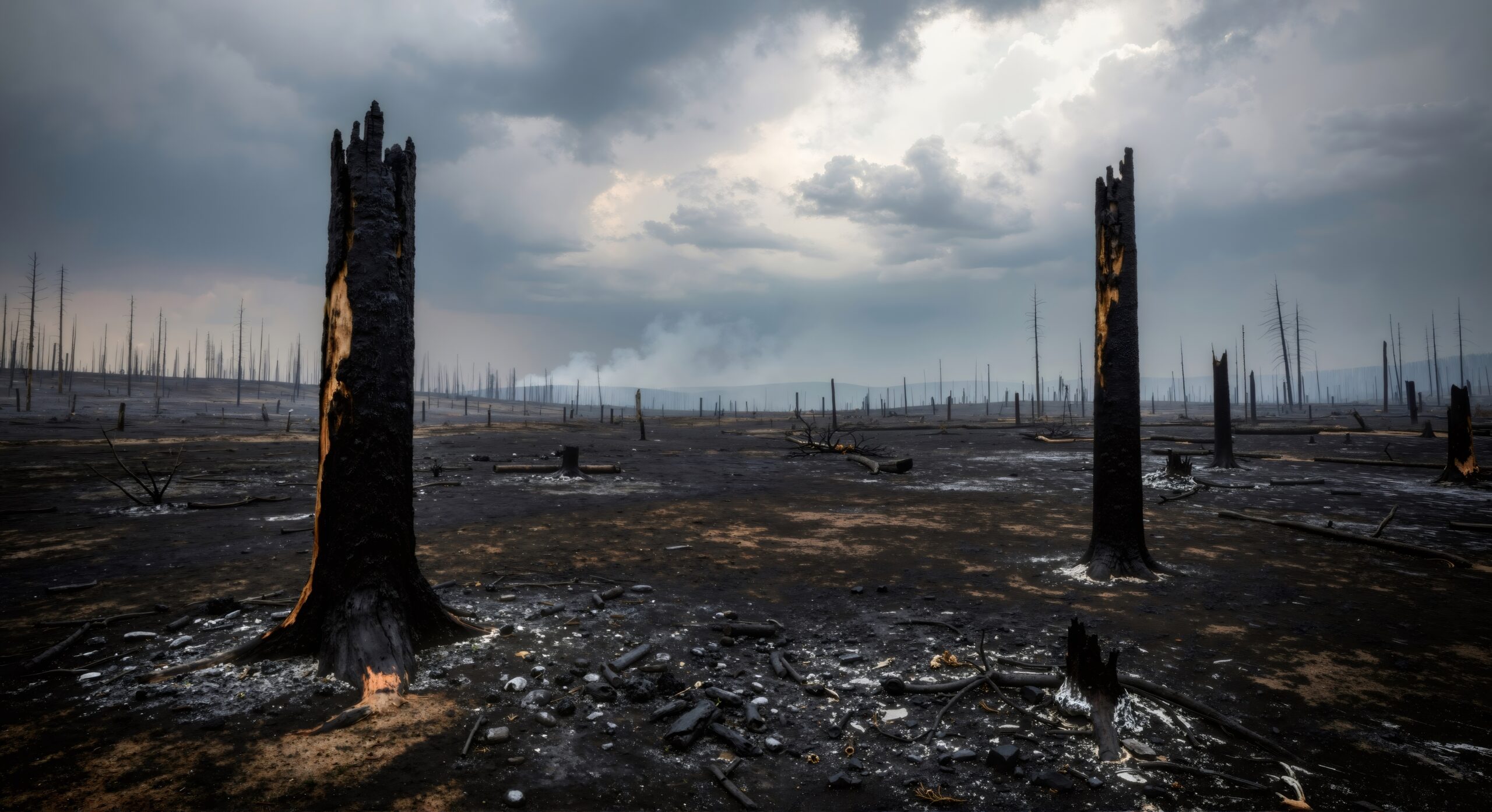
Fossil plastics didn’t take over the modern world because they were better materials. They took over because they were easier to control. Oil and gas come from plants and trees that once lived. But after millions of years buried deep within the earth’s crust—under heat and pressure—everything that once allowed them to participate in living…